|
KEEP PREMIUM SOLUTIONS Continuous Professional Development ICT Integration as a Pedagogical Tool — Scaled Across Ghana A program review of teacher training delivered across Greater Accra, Volta and Oti — reaching 30,000+ teachers in basic and secondary schools through the Master Trainer and Trainer-of-Trainees cascade. |
|
30,000+ Teachers reached |
56 Directorates engaged |
93% Satisfied or better |
Foreword
Ghana’s classrooms are changing. Every district we visit tells the same story: teachers want to use technology to teach better, but they need pedagogy — not just hardware — to do it well. That conviction is what brought Keep Premium Solutions into 56 directorates across Greater Accra, Volta and Oti, working alongside District Training Officers, ICT Coordinators and ICT Teachers to make ICT a genuine pedagogical tool rather than an occasional novelty.
Over the past program cycle, more than 30,000 teachers have engaged with our four CPD curricula and over 20,000 have been directly trained. 165+ Trainers of Trainees have been certified to extend that reach into every basic and secondary school in our partner districts. Behind those numbers are female teachers leading Scratch lessons for the first time, special-needs educators using assistive tech, and head teachers redesigning their school-improvement plans around digital learning.
This report sets out what we did, how we did it, what changed in classrooms, and what it will take to scale. It is written for the directors, funders and partners who have walked with us — and for those considering joining the next phase. We are grateful for the trust placed in us, and we welcome the conversations this report should start.
With appreciation,
The Master Trainer Team
Keep Premium Solutions
About Keep Premium Solutions
Keep Premium Solutions (KPS) is a Ghanaian education-technology and teacher-development organisation. We design and deliver Continuous Professional Development (CPD) programs, build classroom-grade software for schools, and partner with Municipal, Metropolitan, District and Regional Education Directorates to embed digital learning into the public-school system.
What we do
- Design and facilitate teacher CPD on ICT integration, computational thinking, computing assessment and low-resource pedagogy.
- Build and operate education software used by schools, teachers and students — including SBA, broadsheet, lesson-planning, BECE preparation and an AI Teacher Assistant.
- Provide monitoring, evaluation and reporting tools that give district and regional leaders real visibility into school performance.
- Partner with national agencies (GES, NaSIA, NTC, MoE) and international funders on programs that extend access and quality in public education.
Keep Premium Solutions has delivered a multi-region Continuous Professional Development (CPD) program designed to equip Ghanaian teachers to integrate ICT meaningfully into classroom practice. Working in partnership with 56 Municipal, District, Metropolitan and Regional Directorates across Greater Accra, Volta and Oti, the program has reached over 30,000 teachers — with more than 20,000 directly trained on four curriculum strands, and 165+ District Training Officers, ICT Coordinators and ICT Teachers certified as Trainers of Trainees.
The program is intentionally designed around a Master Trainer → Trainer-of-Trainees → Classroom-Teacher cascade. This structure embeds CPD inside district institutions, builds local capacity, and gives directorates a sustainable in-house team they can deploy long after our facilitators leave.
Throughout selection and delivery, priority is given to female teachers and persons with disability — both as participants and in the design of practical activities. 93% of participants rated workshops satisfactory or better; 71% rated them very satisfactory, citing the practical, interactive design and the mastery of content shown by facilitators.
Headline Impact
|
30,000+ Teachers reached ICT integration as a pedagogical tool |
20,000+ Directly trained On the four CPD curricula |
165+ Trainers of Trainees DTOs, ICT Coordinators & ICT Teachers |
|
56 Directorates engaged Municipal, District, Metro & Regional |
3 Regions covered Greater Accra, Volta, Oti |
93% Satisfied or better 71% rated very satisfactory |
How We Measured Impact
The figures in this report are program-attested and drawn from four data streams collected during and after each workshop cycle:
- Attendance registers signed by participants at every workshop, reconciled against directorate nominations.
- Participant feedback forms collected at the conclusion of each workshop — covering content, delivery, facilitator mastery and time allocation.
- Trainer-of-Trainees certification records, including a practicum component before certification.
- Directorate partnership letters and post-workshop reports from District Training Officers.
Reach figures combine teachers directly trained by KPS Master Trainers with those subsequently trained by certified Trainers of Trainees inside their schools and circuits. We report directly-trained and total-reached figures separately to keep the cascade transparent.
Satisfaction percentages are computed from closed-form workshop feedback. Verbatim quotes are reproduced exactly as written by participants; a curated set appears later in this report and the full corpus is appended.
Reporting limitations are stated explicitly: classroom-level learning outcomes are described qualitatively based on teacher and supervisor feedback rather than student assessment data, which is being captured separately through the SLOAS school-level analytics platform.
Reach & Cascade
Our reach is engineered, not accidental. Every Master Trainer cohort is structured to produce a certified Trainer-of-Trainees layer inside each directorate, who in turn deliver to teachers in their schools and circuits. The two charts below show the geographic distribution of teachers reached and the multiplier effect of the cascade.
Greater Accra and Volta represent the program’s deepest engagements, with Oti now scaling rapidly following the 2025–26 directorate onboardings.
From a small Master Trainer team, the cascade extends to 165+ certified Trainers of Trainees and ultimately to more than 30,000 teachers in classrooms. This structure is the reason the program remains affordable per teacher while sustaining quality.
Equity & Inclusion
Inclusion is not a side-stream in this program — it is built into selection, facilitation and assessment. We work with directorates to prioritise female teachers, teachers with disability and teachers in under-resourced rural circuits, and we design practical activities that work in both well-equipped and low-resource classrooms.
Practical commitments
- Female teachers prioritised in every cohort; female facilitators visible in every workshop.
- Reserved placements for teachers with disability and assistive-technology demonstrations in the Integrating Technology curriculum.
- Two-thirds of participants come from basic schools, where ICT pedagogy has historically been thinnest.
- Low-resource pedagogy curriculum specifically designed for schools without devices, so participation is never dependent on infrastructure.
The Four CPD Curricula
Each strand is delivered as a hands-on workshop, reinforced through the Trainer-of-Trainees cascade, and assessed through a practical task before participants are certified. Slides shown below are extracted directly from the live decks used in workshops.
1. Integrating Technology in Education
Practical frameworks for embedding digital tools into everyday lesson delivery across basic and secondary classrooms.
- Lesson-design templates for technology-mediated teaching.
- Tool selection: when to use projectors, tablets, Kahoot, Google Workspace, offline apps.
- Classroom management techniques for ICT-enabled lessons.
2. Computational Thinking & Programming
Building teacher fluency in decomposition, pattern recognition, abstraction and algorithmic thinking — and how to teach them.
- Unplugged computational-thinking activities for Basic 1–6.
- Scratch and block-based programming for JHS.
- Embedding CT into Mathematics, Science and English lessons.
3. Assessment Strategies in Computing
Formative, summative, diagnostic and evaluative assessment techniques tailored to the Computing curriculum.
- Designing valid Computing SBA tasks aligned to the standards.
- Quick formative tools: Google Forms, Kahoot, peer review.
- Rubric design for project-based Computing work.
4. Teaching Computing With Limited Resources
Unplugged activities and low-resource pedagogies so schools without devices still deliver high-quality Computing lessons.
- Paper-and-pencil algorithms; binary, sorting and search games.
- One-device classroom strategies and rotation models.
- Locally-sourced manipulatives for hardware concepts.
Outcomes — What Changed in Classrooms
Outcomes are reported under two lenses: what changed for students in participating classrooms, and what changed for teachers as professionals. Where possible, satisfaction is reported from workshop feedback; classroom outcomes are reported qualitatively from teacher and supervisor accounts collected at follow-up visits.
Participant satisfaction
Student outcomes
- Improved learning outcomes across participating basic schools, reported by head teachers.
- Stronger foundational learning in early-grade classrooms following the unplugged-CT activities.
- Foundational ICT literacy gains observed in JHS classrooms after the Integrating Technology strand.
- Higher classroom engagement and attendance during digital, hands-on lessons.
Teacher outcomes
- Confidence to integrate ICT as a pedagogical tool, not an add-on.
- Adoption of formative assessment techniques (Kahoot, Google Forms, peer review).
- Peer mentoring through the Master Trainer → Trainer-of-Trainees cascade model.
- Curriculum-aligned lesson planning anchored in computational thinking.
Case Stories from the Field
Three short accounts — drawn from workshop visits and post-training follow-up — that illustrate what the numbers feel like in real classrooms.
Bringing Scratch to a 65-pupil JHS classroom
Volta Region · JHS Computing
A trained JHS ICT teacher who had previously avoided the programming strand returned to her school after the Computational Thinking workshop and led a Scratch lesson with 65 pupils sharing five working laptops. She used a rotation model from the workshop — three groups coding, three groups designing on paper, swapping every 12 minutes — and reported that for the first time every pupil produced an algorithm by the end of the lesson.
|
“The presentations were very informative and eye-opening. I now teach Scratch with confidence and my pupils enjoy it.” — JHS Computing teacher, Volta Region |
A DTO cascade reaches every school in the district
Greater Accra · District Training Officer
A District Training Officer certified as a Trainer of Trainees scheduled a four-week in-service cascade after our workshop. Working with the directorate’s ICT Coordinator, she reached every public basic school in the district. Her after-action report attributed the success to the cascade’s modular design and the practical activities, which teachers could rehearse with their own pupils between sessions.
|
“It was systematic, orderly and practical. The cascade design made it easy to run in our schools.” — District Training Officer, Greater Accra |
Teaching Computing without devices
Oti Region · Rural basic school
A head teacher in a school without computers asked specifically for the Limited Resources strand. After the workshop, his teachers introduced unplugged sorting and searching games, binary-card activities and paper algorithms. Within a term, the school began running a weekly Computing club using the same materials, and the head teacher made it a standing item in his School Performance Improvement Plan.
|
“Every school needs at least 3 projectors to help in teaching — but until then, what you taught us works.” — Head teacher, Oti Region |
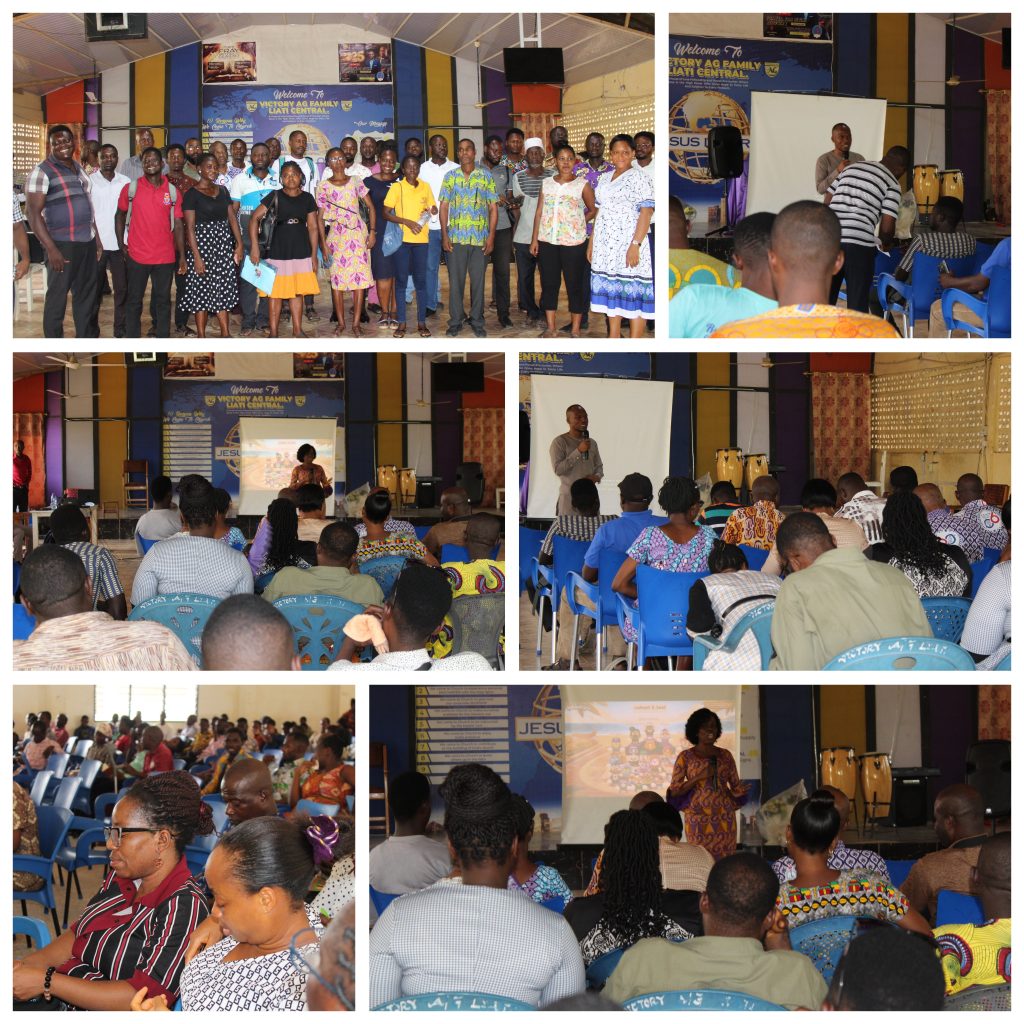
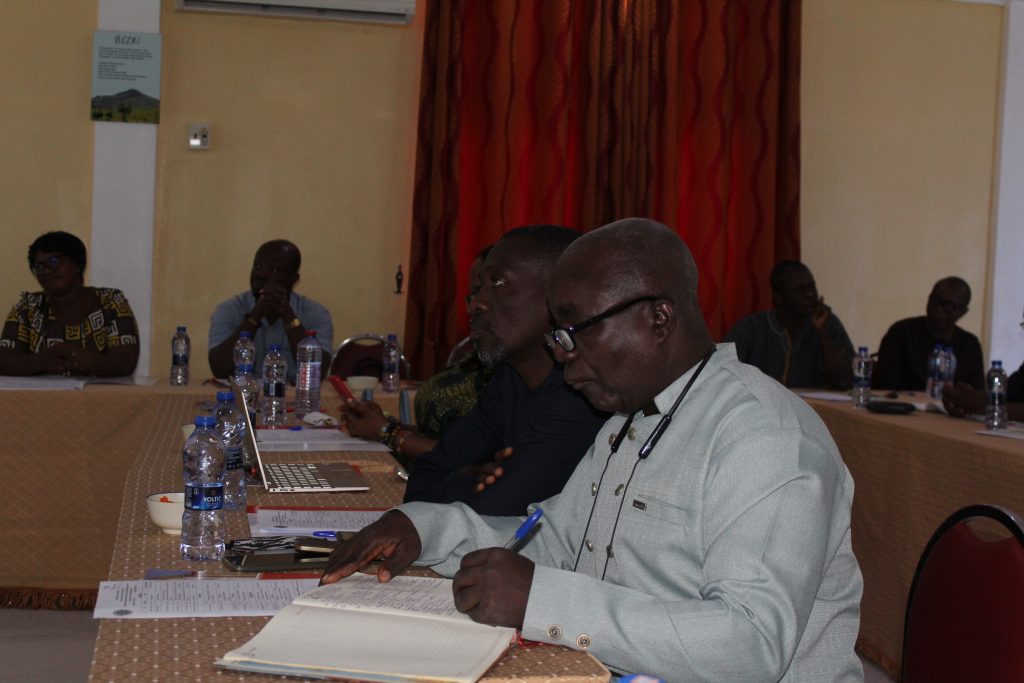
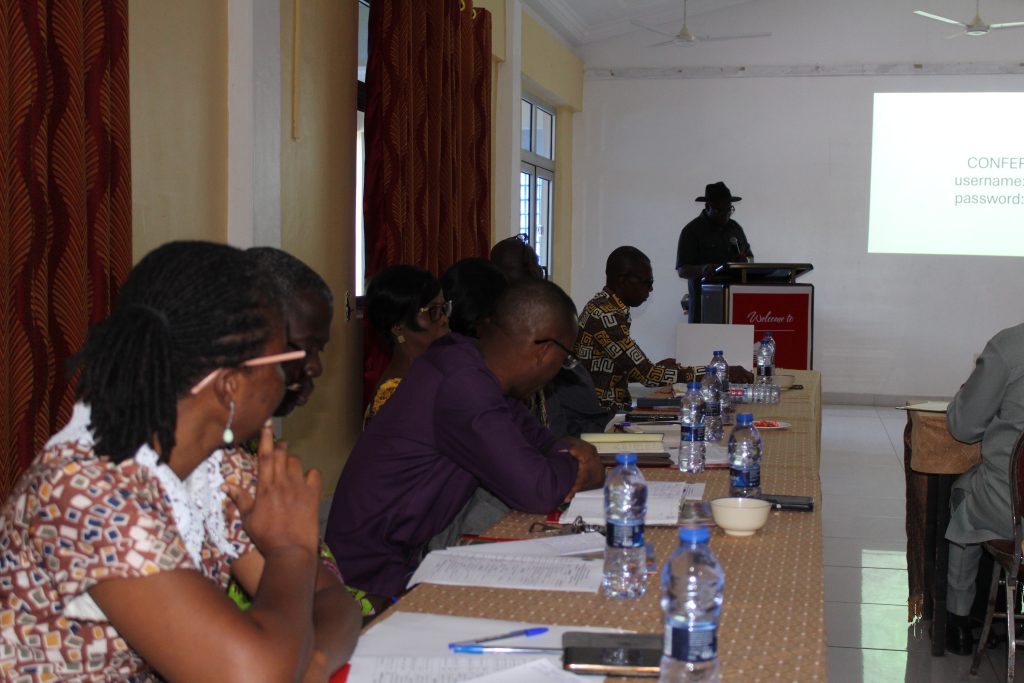
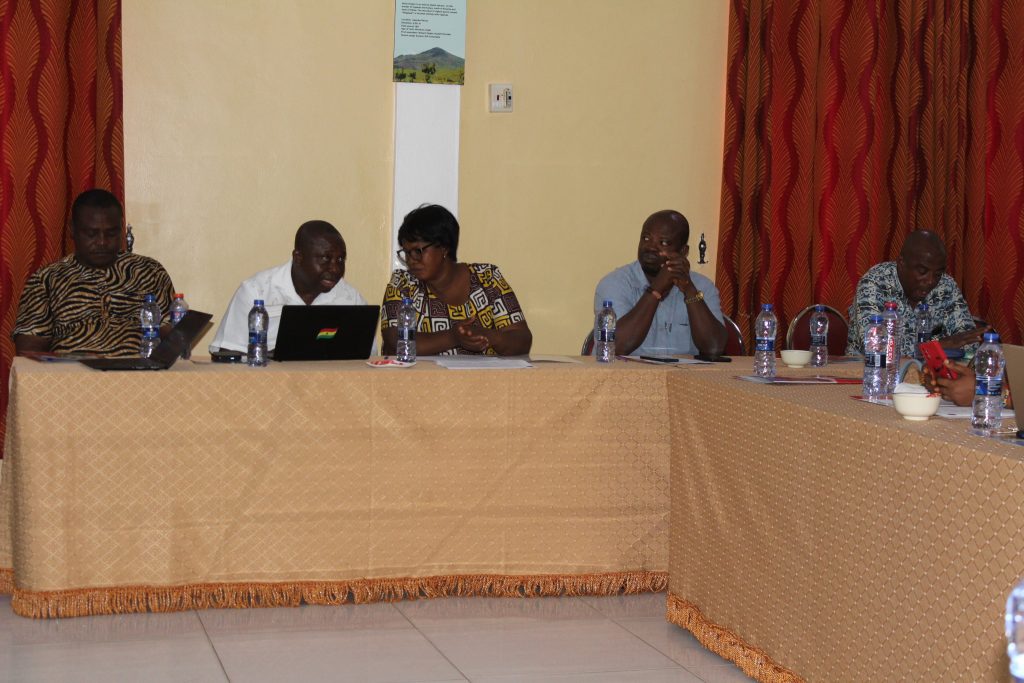
From the Field
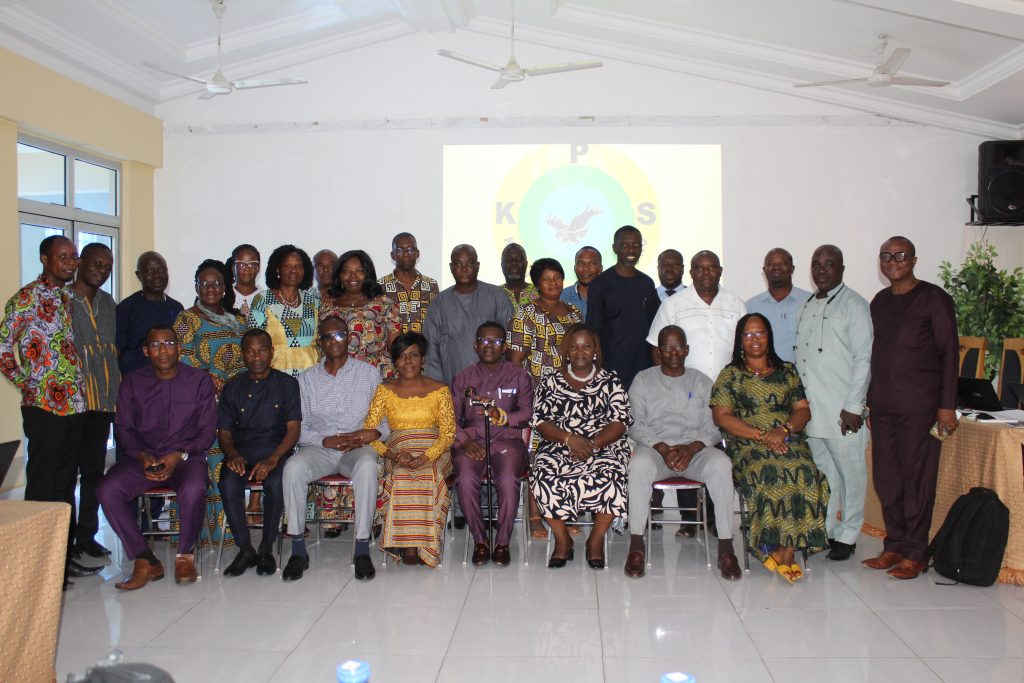
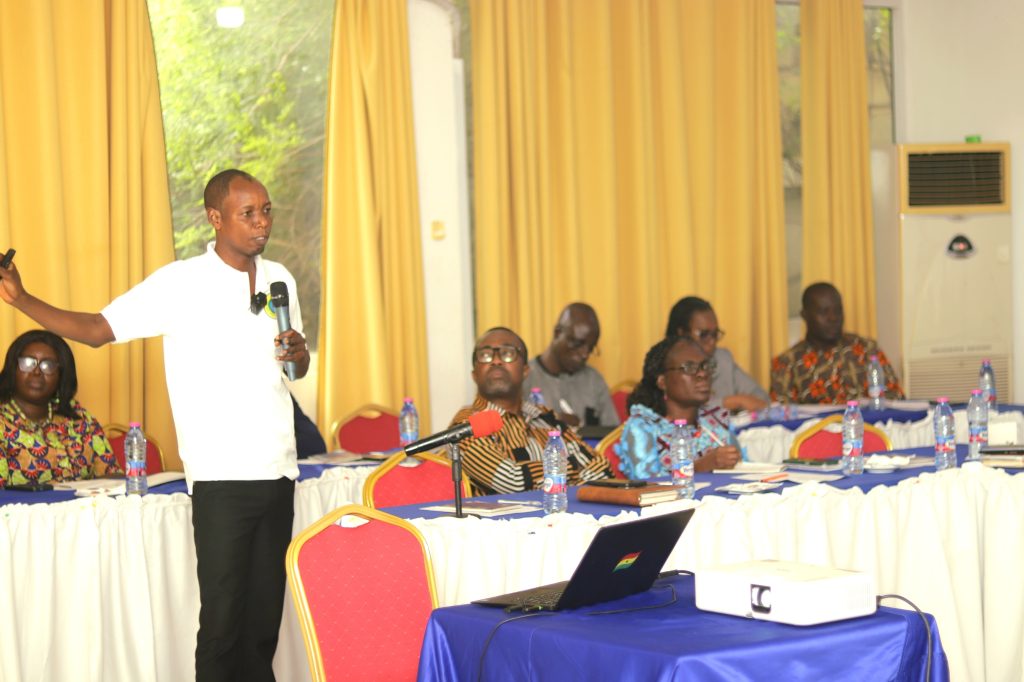
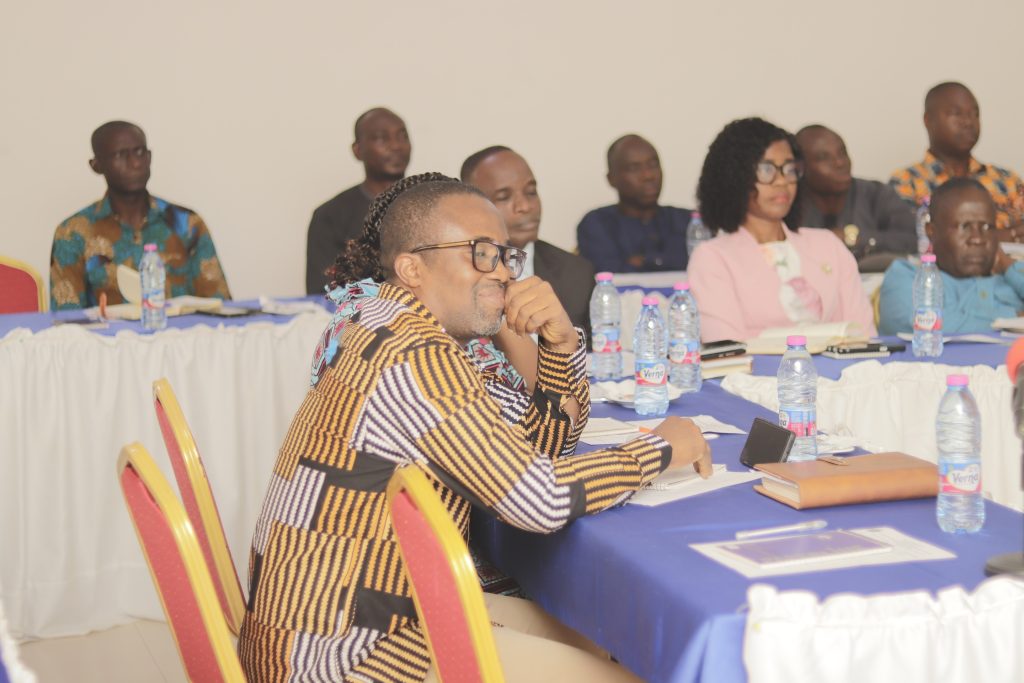
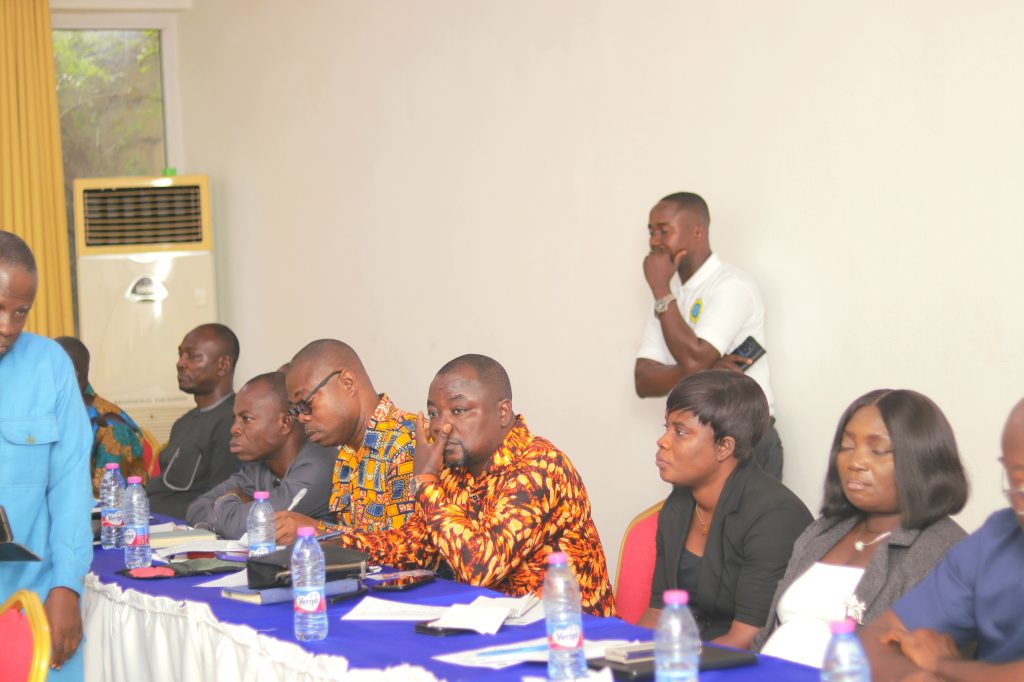
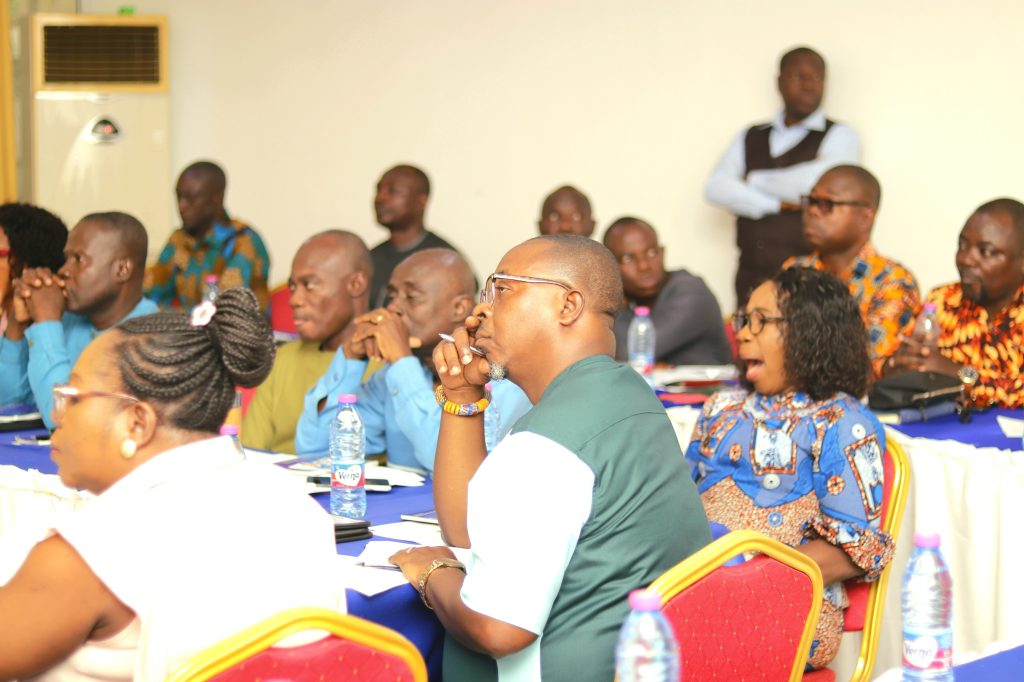
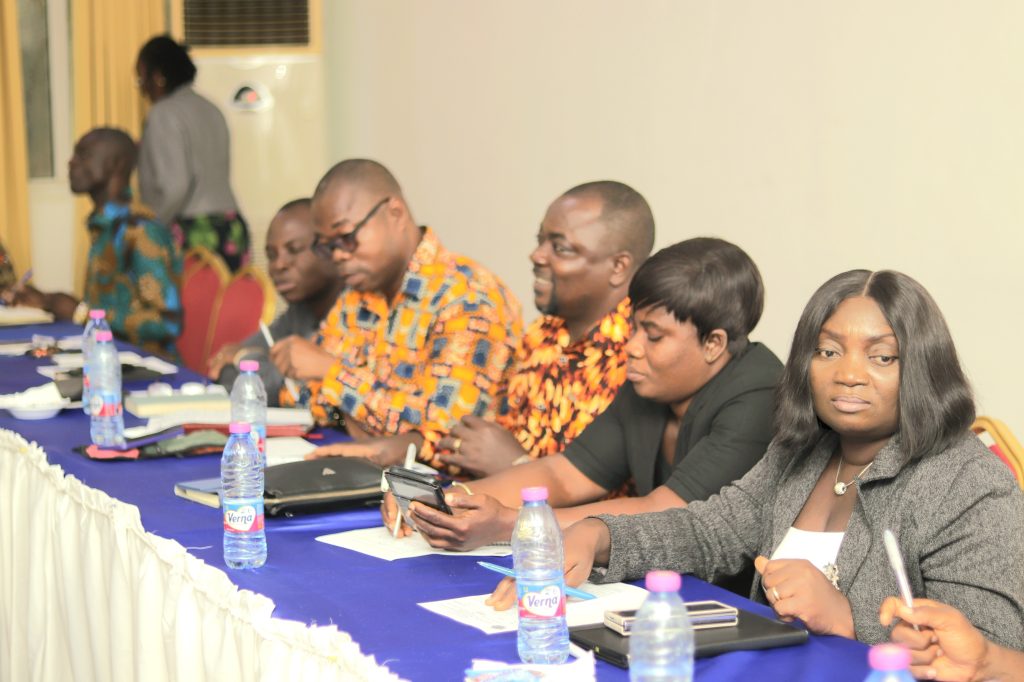
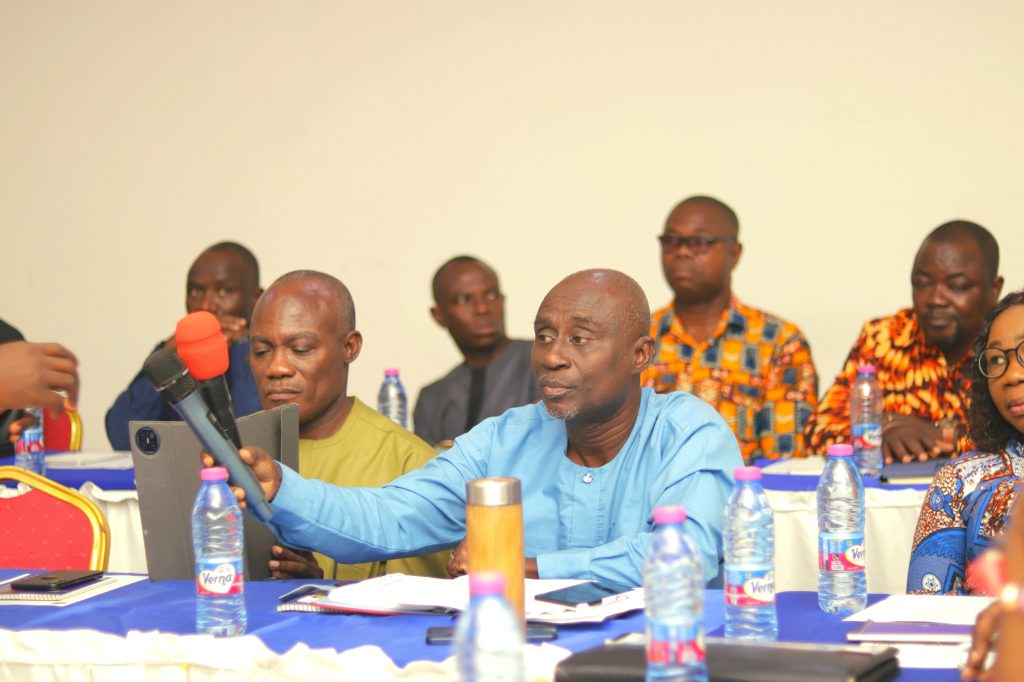
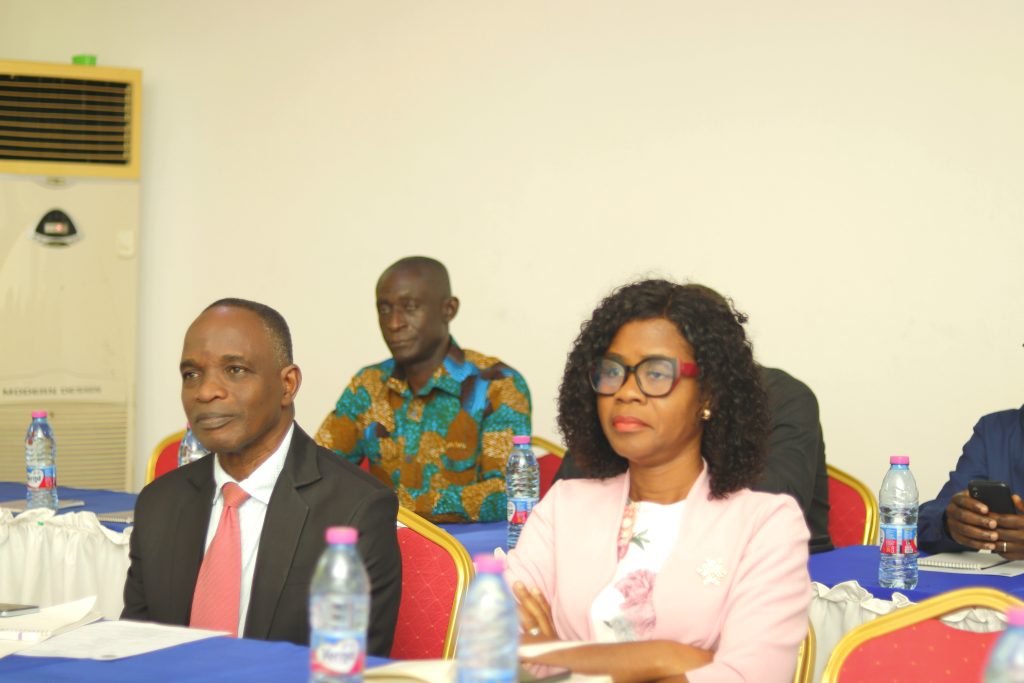
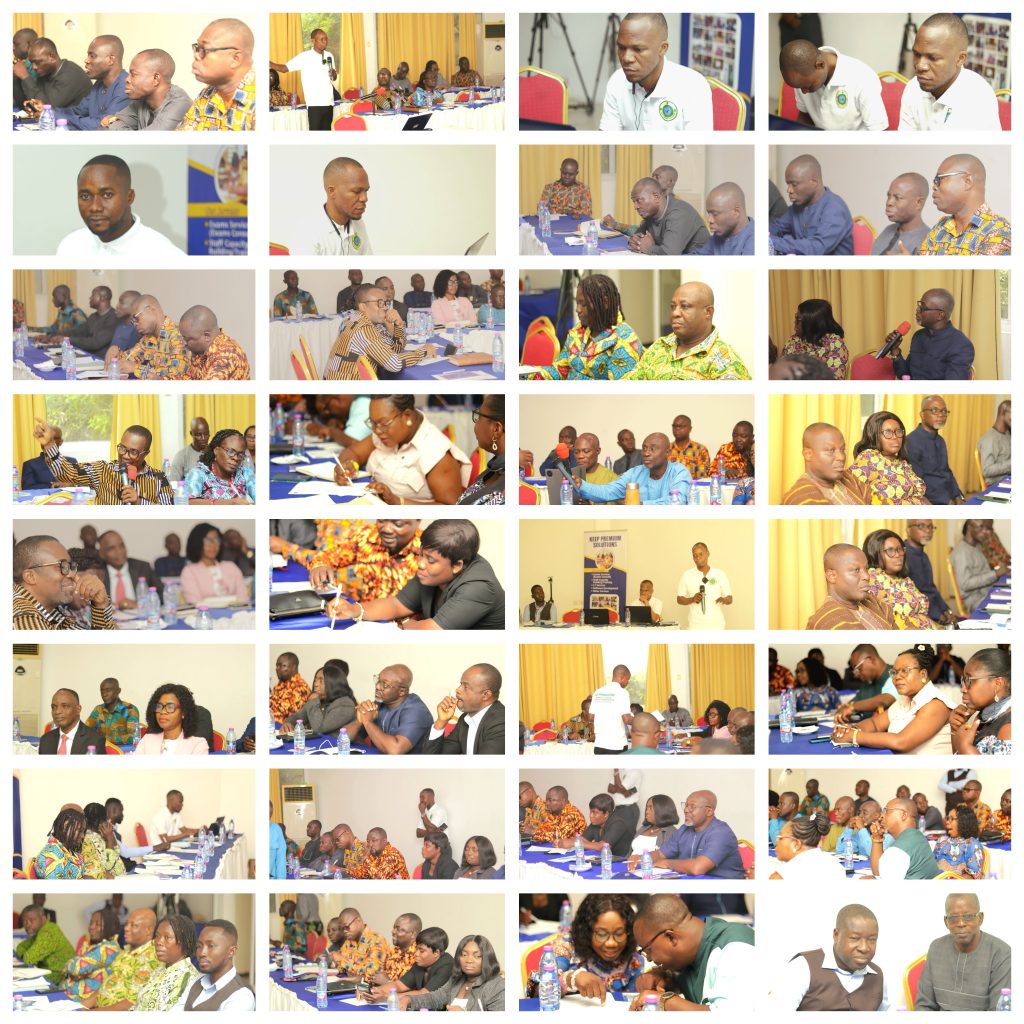
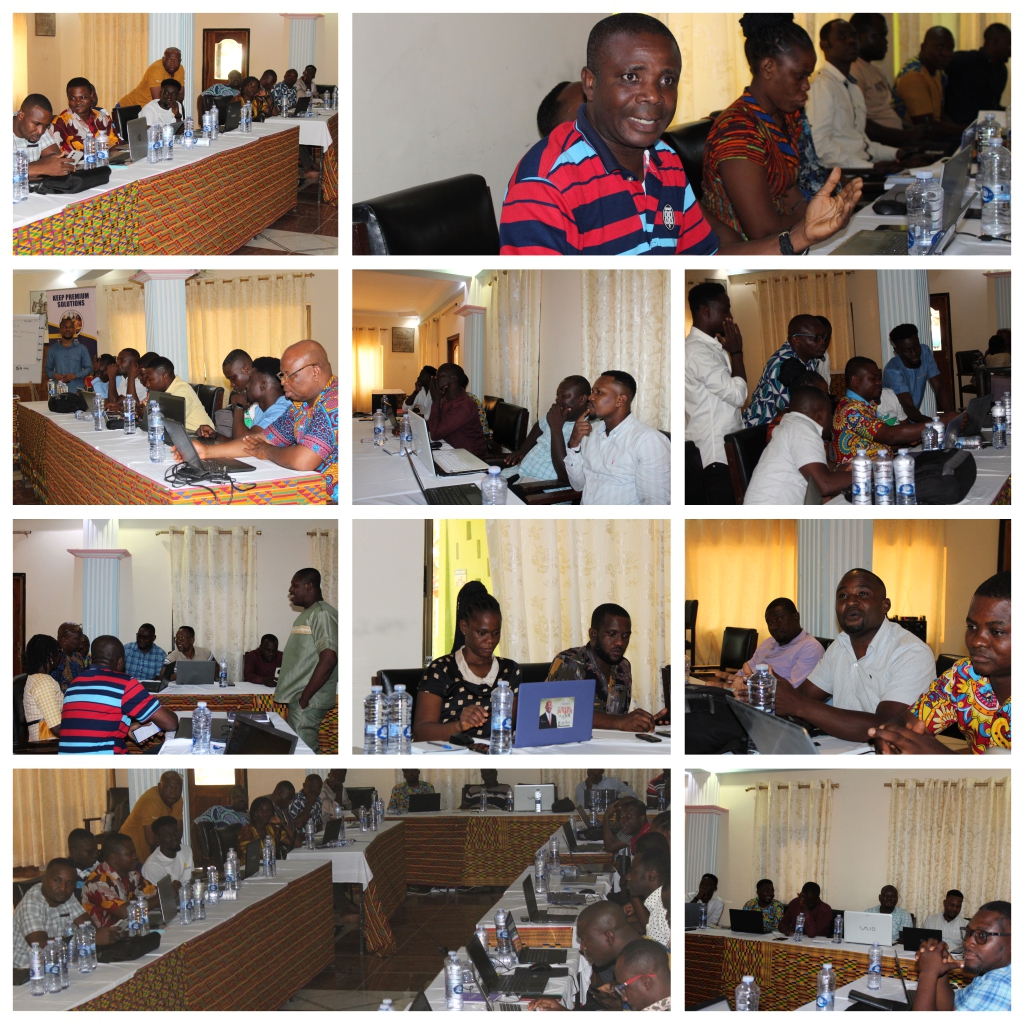
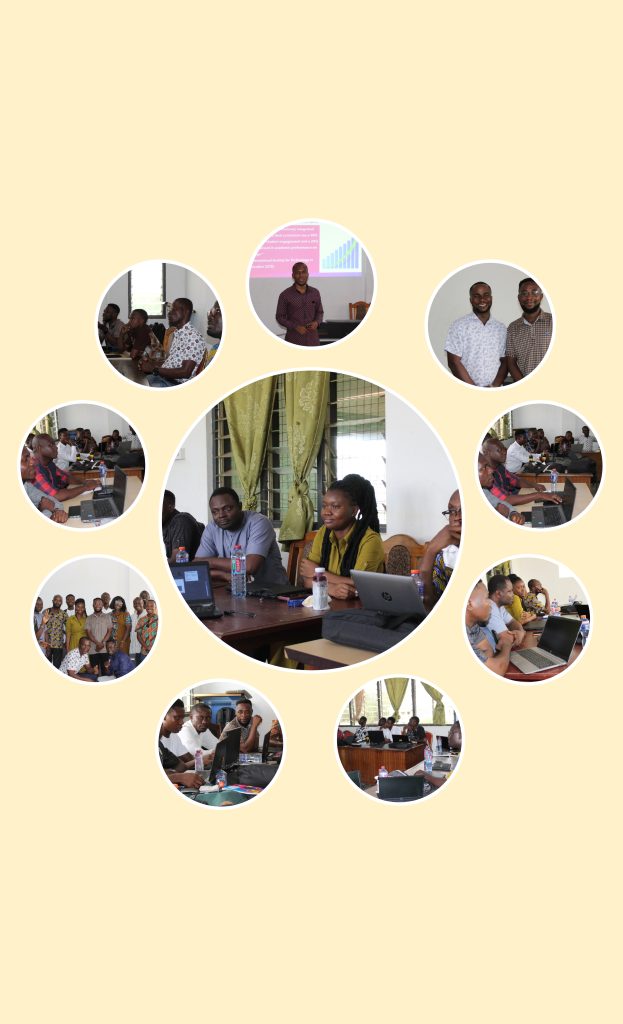
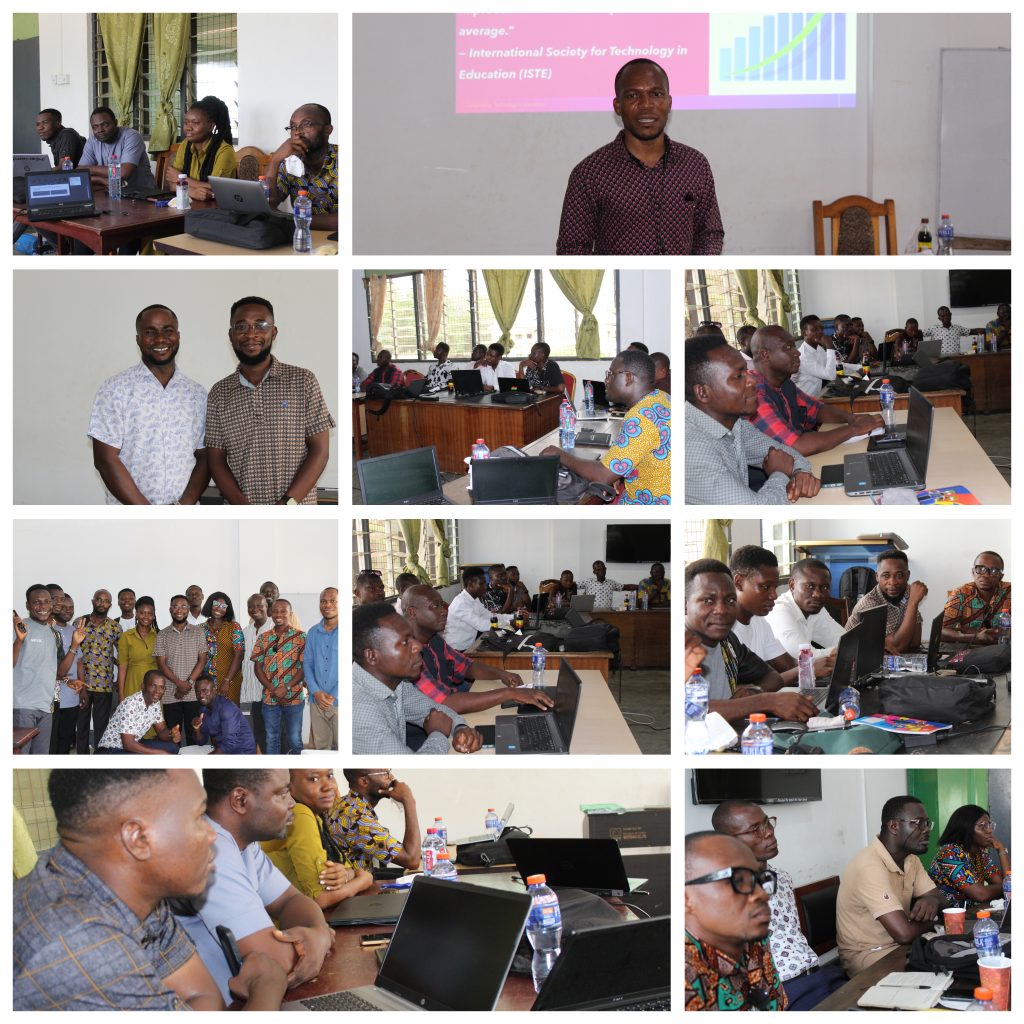
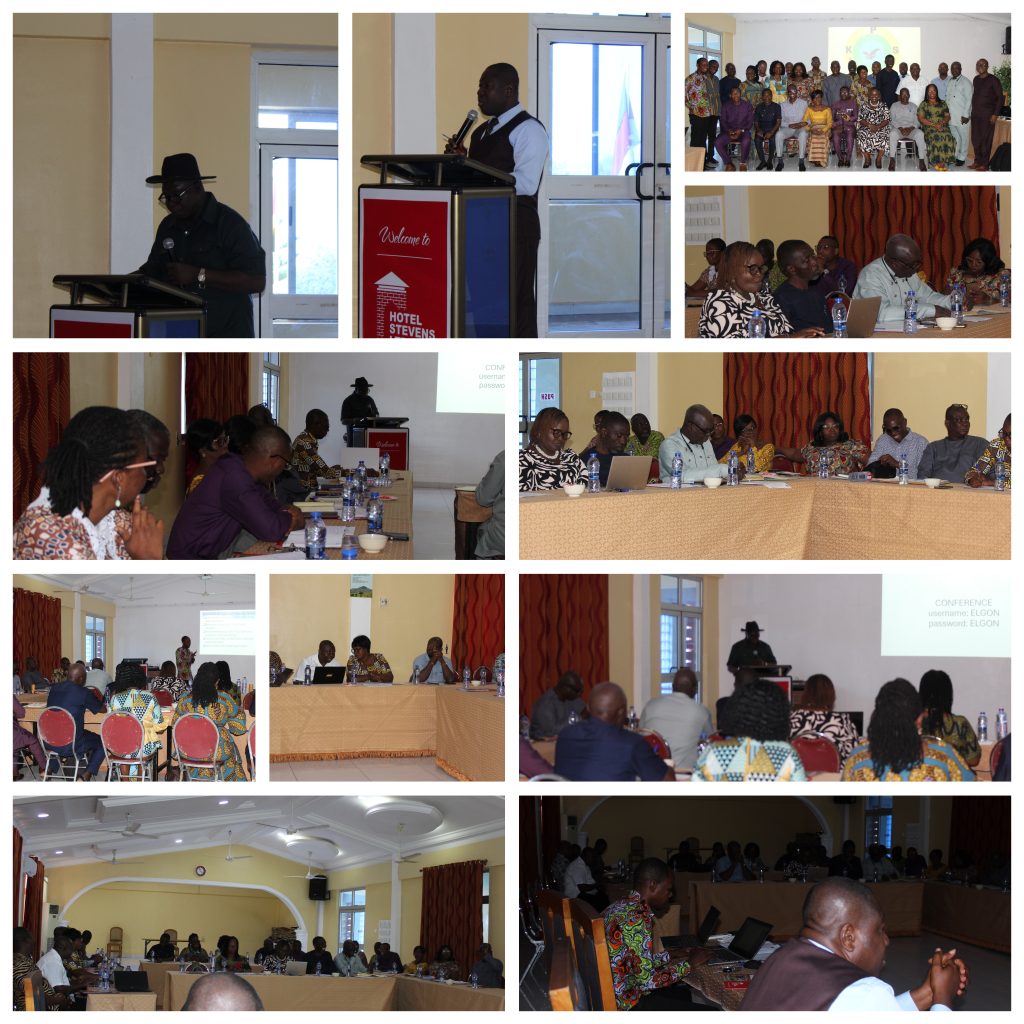
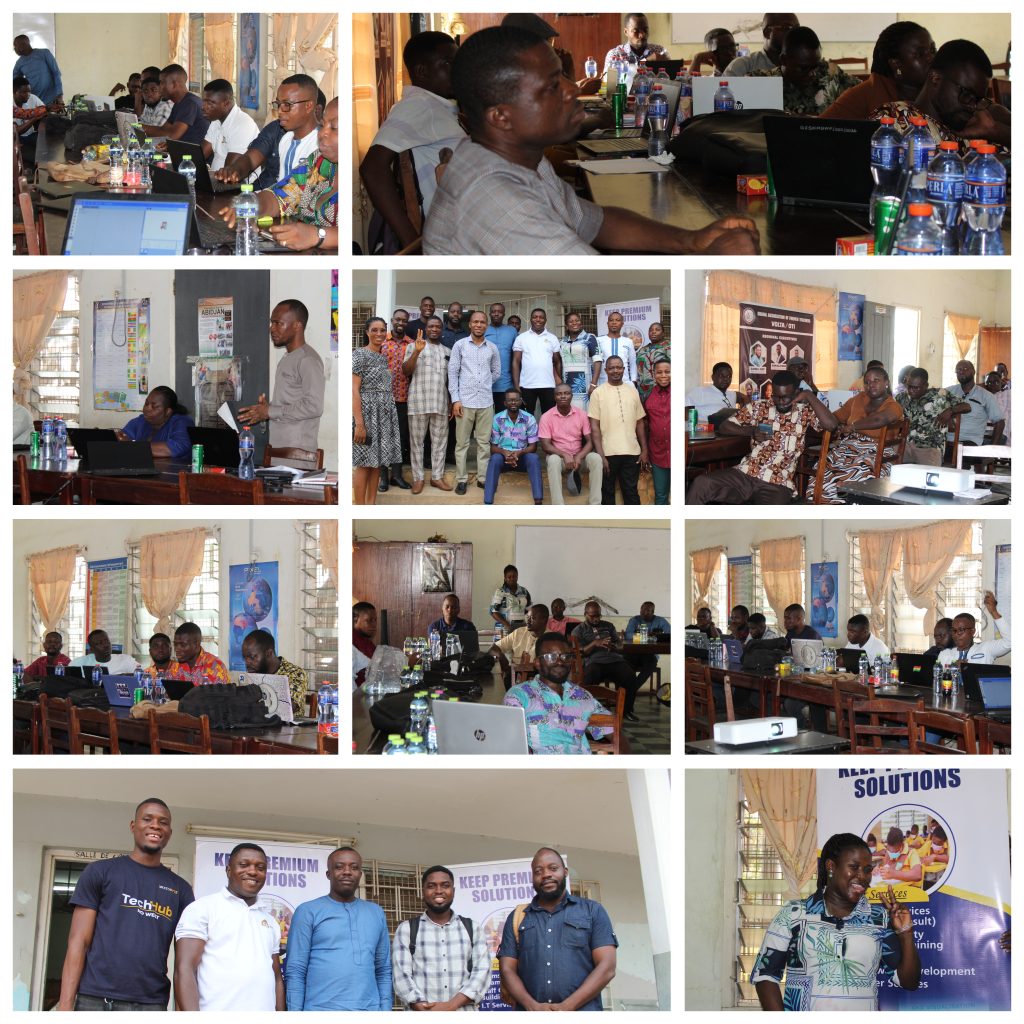
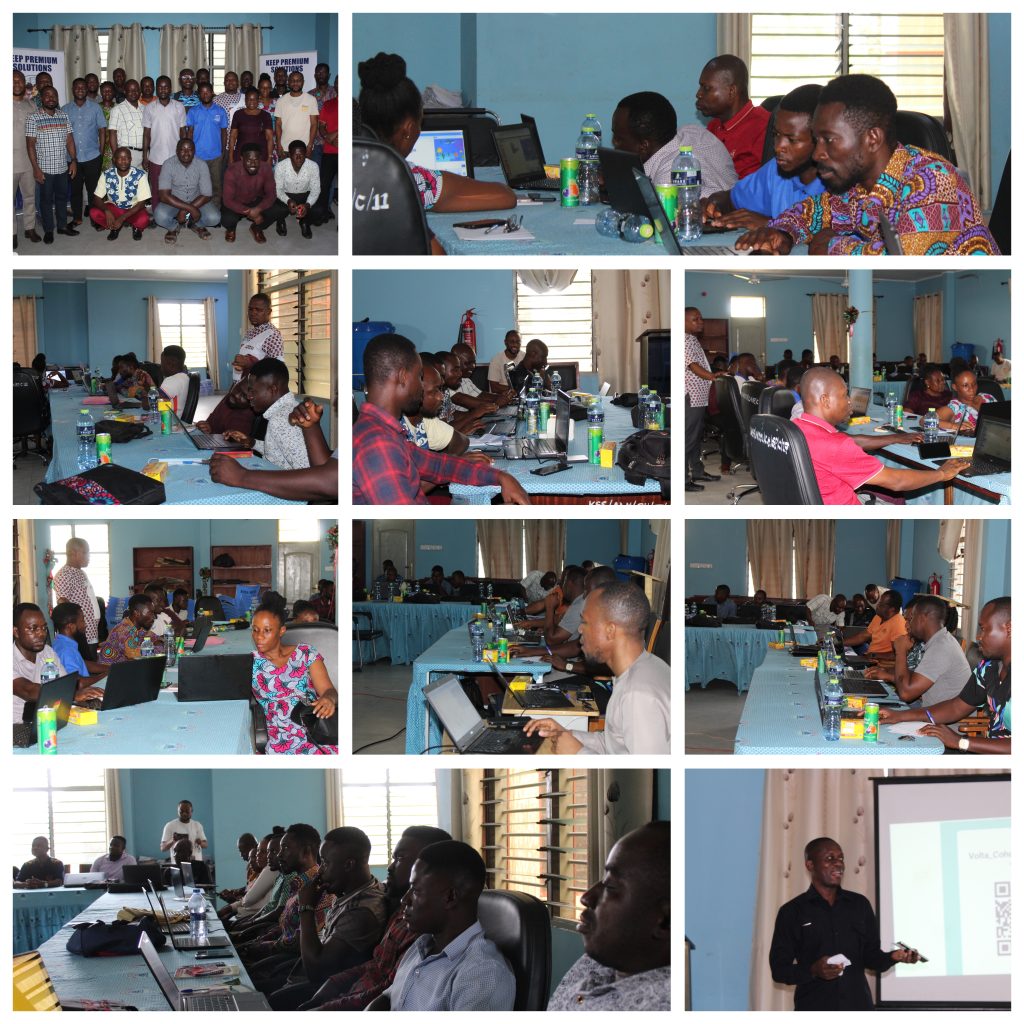
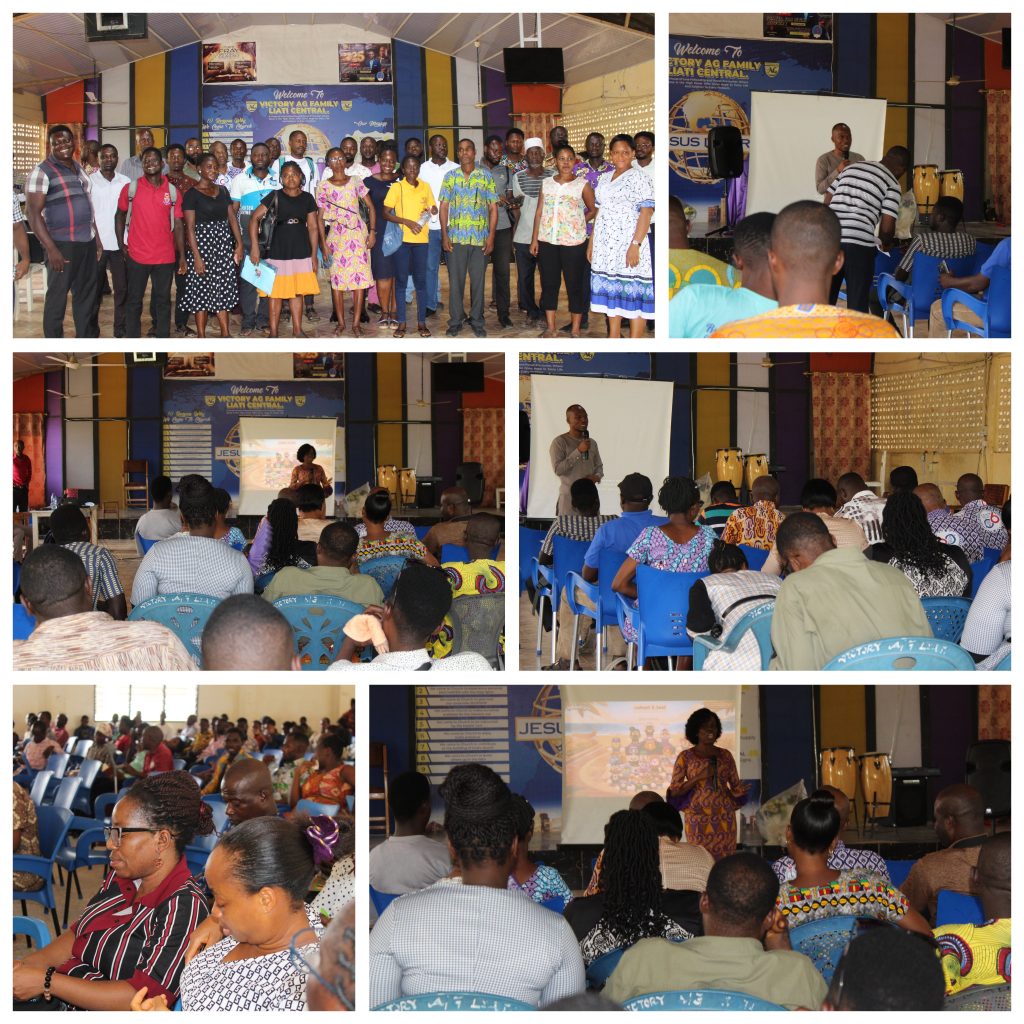
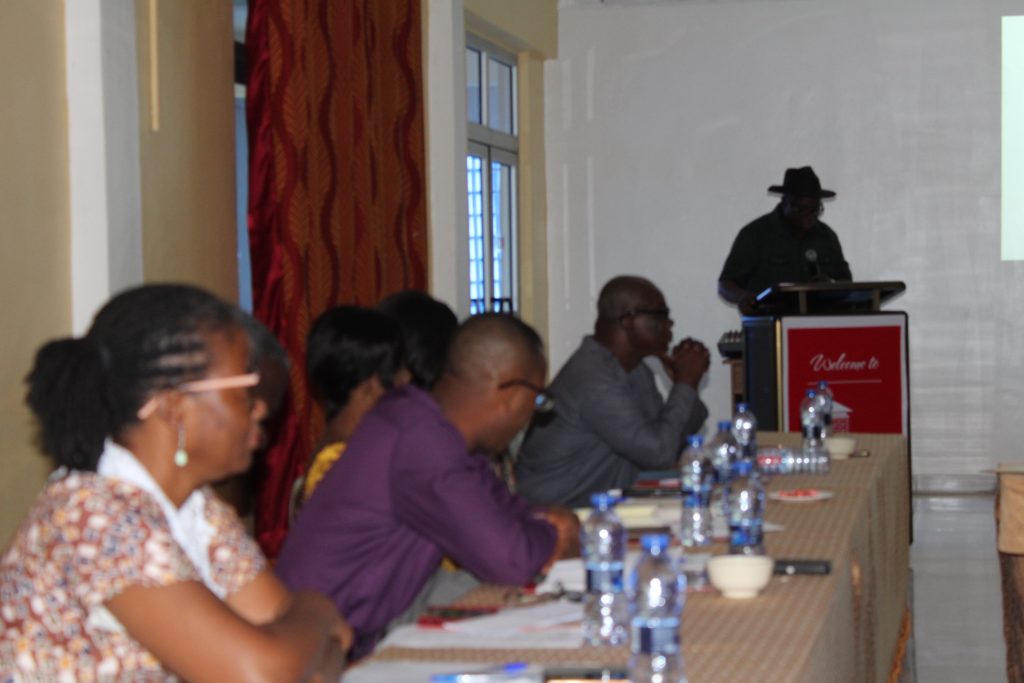
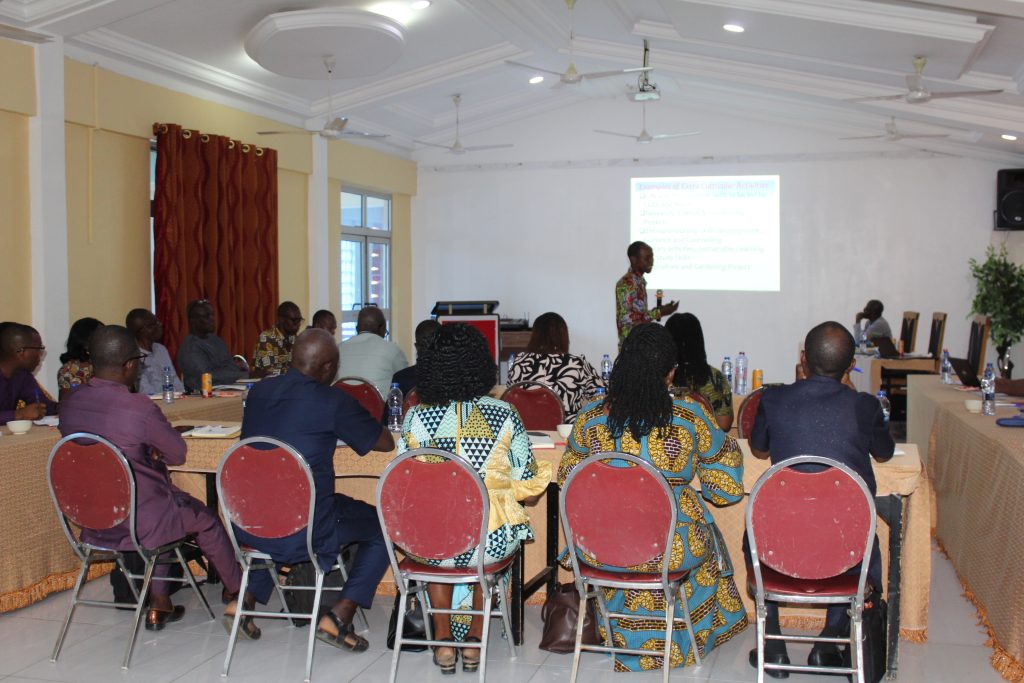
A glimpse of the workshops and the classrooms they reach.
In Their Own Words
Curated verbatim feedback from participants. The full corpus follows in the appendix.
|
“The presenters have mastery of the content of the workshop.” — Participant, Greater Accra |
|
“It was helpful, it has really impacted knowledge.” — JHS teacher, Volta |
|
“Every school needs at least 3 projectors to help in teaching.” — Basic-school teacher, Oti |
|
“It was Ok. Time allocation was not enough considering what we had to achieve. Two days would have been the best.” — Participant (constructive feedback we acted on) |
|
“The presentations were very informative and eye-opening.” — ICT teacher, Greater Accra |
|
“It was systematic, orderly and practical.” — District Training Officer |
|
“Resourceful and very educative.” — JHS Computing teacher |
|
“They were inspiring.” — Basic-school teacher, Volta |
|
“Very insightful and educative.” — ICT Coordinator |
|
“Well planned. Active participation.” — Participant feedback summary |
What We Learned
Strengths to keep
- Hands-on, practical workshop design with low lecture-time.
- Cascade through District Training Officers — embeds CPD inside directorates.
- Curriculum strands that work whether or not a school has devices.
- Female and PWD prioritisation built into selection, not added on.
Constructive feedback we acted on
- Workshop duration: a recurring request was for a second day. Future cohorts in larger directorates will be delivered in a 2-day format.
- Device availability: schools repeatedly highlighted the need for at least 3 projectors per school. We now bundle a device-readiness checklist with directorate partnership letters.
- Follow-up coaching: teachers want classroom coaching after the workshop. The Trainer-of-Trainees cascade is being reinforced with two structured coaching visits per term.
Where we want to grow next
- Three additional regions: Eastern, Central and Ashanti, prioritising districts with low ICT-teacher coverage.
- A dedicated Computing Assessment specialisation for JHS examiners.
- Embedded measurement of student learning outcomes via the SLOAS school analytics platform.
Partner With Us
The next phase will extend the program to three additional regions, deepen classroom-level measurement, and grow the Trainer-of-Trainees network. We are inviting donors, foundations, development partners and corporate funders to walk with us.
|
For donors and funders Co-fund a regional cohort. A typical regional cohort trains 10,000 teachers through the cascade, certifies 60 Trainers of Trainees, and runs across one full academic year. We provide quarterly reporting, signed directorate partnership letters and independent verification access. |
How to reach us
Phone: 0543932420 / 0240665162
Web: keeppremiumsolutionsras.com
In-person: schedule a briefing with the Master Trainer Team via the contacts above.